Post Cycle Therapy for Sale
Post Cycle Therapy (PCT) plays a crucial role in the world of steroid use. It is a vital phase that promotes hormonal recovery, helps maintain the gains achieved during a steroid cycle, and minimizes the potential side effects associated with anabolic steroid usage. In this article, we will delve into the details of Post Cycle Therapy, exploring its significance, the science behind it, common scenarios.
II. The Science Behind PCT
A. Overview of the Endocrine System and Hormonal Regulation
Before diving into the intricacies of Post Cycle Therapy (PCT), it is essential to understand the fundamentals of the endocrine system and how hormones function within our bodies. The endocrine system consists of various glands that produce and secrete hormones, which act as chemical messengers, regulating numerous physiological processes.
Hormonal regulation is a delicate balance, with various hormones working in harmony to maintain homeostasis. Testosterone, the primary male sex hormone, plays a crucial role in muscle growth, libido, mood, and overall well-being. However, when exogenous (external) steroids are introduced into the body, they disrupt this delicate balance, leading to a range of hormonal imbalances and potential side effects.
B. The Impact of Steroid Use on Hormonal Balance
Anabolic steroids, commonly used for performance enhancement and muscle growth, can have profound effects on the endocrine system. When exogenous steroids are introduced into the body, the production of natural testosterone is suppressed. The body recognizes the presence of high levels of testosterone (or synthetic derivatives) and signals the testes to halt testosterone production. This can lead to a state of hypogonadism, where the body's natural testosterone levels are significantly reduced.
Moreover, the use of steroids can disrupt the balance between testosterone and estrogen. Testosterone is converted into estrogen through a process called aromatization. Elevated estrogen levels can result in unwanted side effects, such as gynecomastia (enlargement of breast tissue in males), water retention, and mood swings.
C. Mechanisms of Action in Post Cycle Therapy
Post Cycle Therapy aims to restore the body's natural hormonal balance and minimize the adverse effects of steroid use. The primary goal of PCT is to stimulate the production of endogenous testosterone, mitigate estrogen-related issues, and support overall recovery.
One of the key components of PCT is the use of Selective Estrogen Receptor Modulators (SERMs). SERMs, such as Clomiphene Citrate (Clomid) and Tamoxifen Citrate (Nolvadex), work by blocking estrogen receptors in certain tissues while promoting the release of luteinizing hormone (LH) and follicle-stimulating hormone (FSH) from the pituitary gland. This stimulation helps kick-start the production of testosterone in the testes, aiding in hormonal recovery.
Additionally, PCT protocols may include the use of Human Chorionic Gonadotropin (HCG), which mimics the action of luteinizing hormone, stimulating the testes to produce testosterone. Lifestyle modifications, including a healthy diet, regular exercise, and adequate sleep, also play a significant role in supporting hormonal recovery.
By implementing a well-designed PCT protocol, individuals can optimize their chances of restoring hormonal balance and minimizing the negative impact of steroid use.
III. Common Steroid Cycle Scenarios
A. Bulking Cycles: Strategies for Effective PCT
During bulking cycles, individuals aim to maximize muscle growth and strength gains. These cycles often involve the use of powerful anabolic steroids to facilitate muscle protein synthesis and enhance recovery. However, the hormonal disruptions caused by these compounds necessitate a comprehensive PCT plan to restore natural testosterone production.
In the case of bulking cycles, PCT should focus on kick-starting the body's testosterone production and controlling estrogen levels. SERMs like Clomiphene Citrate and Tamoxifen Citrate are commonly used during PCT to block estrogen receptors and stimulate LH and FSH release. By regulating estrogen levels and boosting testosterone production, individuals can optimize their chances of preserving gains and minimizing unwanted side effects.
B. Cutting Cycles: Tailoring PCT for Optimal Recovery
Cutting cycles are aimed at reducing body fat while preserving lean muscle mass. These cycles often involve the use of compounds that promote fat loss and provide a hard, lean physique. While the emphasis is on shedding excess body fat, it is essential to address the potential hormonal imbalances caused by steroid use during this phase.
In a cutting cycle, the primary focus of PCT is to restore natural testosterone production and manage estrogen levels. SERMs like Clomiphene Citrate and Tamoxifen Citrate can be utilized to block estrogen receptors and stimulate LH and FSH release. By jump-starting testosterone production and controlling estrogen, individuals can aid their recovery process while maintaining their hard-earned muscle mass.
Additionally, maintaining a calorie-controlled diet rich in essential nutrients, along with regular resistance training, can support hormonal balance and overall recovery during the cutting phase.
C. Performance Enhancement Cycles: PCT Considerations
Performance enhancement cycles involve the use of various compounds to enhance athletic performance, strength, and muscle mass. These cycles can be more complex and aggressive, often requiring a tailored PCT approach to address the specific compounds used and their impact on the endocrine system.
When designing a PCT protocol for performance enhancement cycles, it is crucial to consider the specific steroids and their half-lives. Different steroids have varying elimination times from the body, which affects the timing and duration of PCT. It is important to initiate PCT at the appropriate time after the last administration of steroids to maximize recovery.
A comprehensive PCT plan for performance enhancement cycles may involve the use of SERMs, HCG, and other supportive measures to restore hormonal balance, manage estrogen levels, and stimulate testosterone production.
IV. Key Components of an Effective PCT Protocol
A. Selecting the Right SERM (Selective Estrogen Receptor Modulator)
- Exploring Different SERMs and Their Mechanisms of Action
When it comes to Post Cycle Therapy, selecting the appropriate Selective Estrogen Receptor Modulator (SERM) is crucial. Commonly used SERMs include Clomiphene Citrate (Clomid) and Tamoxifen Citrate (Nolvadex).
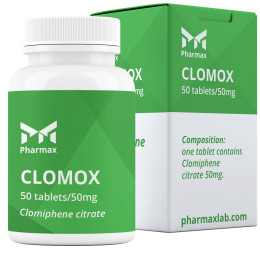
Clomid acts by blocking estrogen receptors in various tissues, including the hypothalamus and pituitary gland. This action stimulates the release of luteinizing hormone (LH) and follicle-stimulating hormone (FSH), which are essential for triggering natural testosterone production.
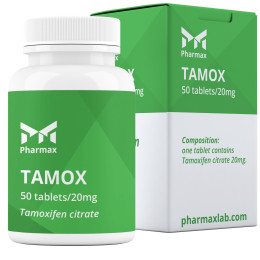
Nolvadex, on the other hand, competes with estrogen for binding sites on estrogen receptors. By occupying these receptors, Nolvadex prevents estrogen from exerting its effects, thereby reducing the risk of estrogen-related side effects.
- Dosage Recommendations and Timing for SERM Usage
The dosage and timing of SERM usage in PCT protocols may vary based on individual needs and the specific compounds used during the steroid cycle. It is crucial to consult with a knowledgeable healthcare professional or follow reputable guidelines to determine the appropriate dosage and duration of SERM administration.
Generally, SERMs are initiated a few weeks after the last steroid administration, allowing time for the exogenous steroids to clear the system. The duration of SERM usage can range from a few weeks to several weeks, depending on the individual's recovery progress and hormone levels.
B. Managing Estrogen Levels during PCT
- Estrogen Blockers: Their Role and Potential Benefits
Estrogen blockers, also known as aromatase inhibitors, can be valuable additions to a PCT protocol, especially when dealing with compounds prone to aromatization. Aromatase inhibitors work by inhibiting the enzyme aromatase, responsible for converting testosterone into estrogen.
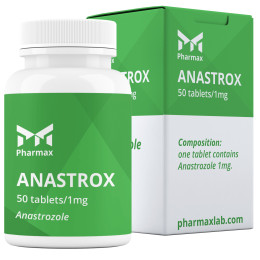
By blocking the conversion of testosterone into estrogen, these inhibitors help reduce estrogen levels, mitigating the risk of estrogen-related side effects. Commonly used aromatase inhibitors include Anastrozole (Arimidex) and Exemestane (Aromasin). It is important to note that the use of aromatase inhibitors should be approached with caution, as excessively low estrogen levels can have adverse effects on lipid profiles, bone health, and overall well-being. Consulting with a healthcare professional is essential to determine the appropriate dosage and duration of use.
- Natural Methods to Regulate Estrogen
In addition to pharmaceutical interventions, there are natural methods to regulate estrogen levels during PCT. These include incorporating specific foods and supplements into the diet that can support hormonal balance.
Cruciferous vegetables, such as broccoli, cauliflower, and kale, contain compounds that help promote the metabolism of estrogen in the body. Including these vegetables in daily meals can aid in estrogen regulation.
Furthermore, certain supplements, such as DIM (diindolylmethane) and calcium-d-glucarate, have been shown to support estrogen metabolism and clearance. These natural compounds can be valuable additions to a PCT regimen, promoting hormonal balance and minimizing estrogen-related issues.
C. Restoring Natural Testosterone Production
- HCG (Human Chorionic Gonadotropin) and Its Role in PCT
Human Chorionic Gonadotropin (HCG) is a hormone commonly used during PCT to help restore natural testosterone production. HCG mimics the action of luteinizing hormone (LH), which signals the testes to produce testosterone.
By incorporating HCG into a PCT protocol, individuals can stimulate the Leydig cells in the testes, maintaining their functionality and preventing testicular atrophy that can occur during steroid use. However, it is crucial to use HCG properly, as prolonged or excessive usage can desensitize the testes to LH and hinder natural testosterone recovery. Consulting with a healthcare professional is recommended to determine the appropriate dosage and duration of HCG usage.
- Boosting Testosterone Levels Naturally: Lifestyle and Supplements
In addition to medical interventions, certain lifestyle modifications and supplements can aid in boosting natural testosterone levels during PCT. Regular exercise, particularly resistance training, has been shown to have a positive impact on testosterone production. Engaging in weight-bearing exercises and compound movements can help stimulate testosterone synthesis.
Adequate sleep and stress management are also important factors to consider. Lack of sleep and chronic stress can contribute to hormonal imbalances, including suppressed testosterone production. Prioritizing quality sleep and adopting stress-reduction techniques, such as meditation or yoga, can support overall hormonal recovery.
Additionally, certain supplements have been associated with promoting testosterone production. These include zinc, magnesium, vitamin D, and D-aspartic acid. Incorporating these supplements into a well-rounded PCT protocol may provide additional support for restoring natural testosterone levels.
V. Timing and Duration of PCT
A. Understanding the Optimal Timing for PCT Initiation
The timing of initiating PCT is crucial to maximize recovery and minimize the negative impact of steroid use. It is generally recommended to begin PCT after exogenous steroids have cleared the body, allowing for natural hormonal signaling to resume.
The specific timing can vary depending on the compounds used, their half-lives, and the duration of the steroid cycle. As a general guideline, PCT should typically commence a few weeks after the last administration of steroids. This allows sufficient time for the exogenous compounds to dissipate and for the body to begin its natural recovery process.
Commencing PCT too early may interfere with the body's ability to restore its hormonal balance, while delaying it for too long can prolong the period of suppressed testosterone levels, potentially leading to muscle loss and other complications. Therefore, it is essential to research and understand the specific half-lives of the steroids used in the cycle to determine the optimal timing for initiating PCT.
B. PCT Duration: Tailoring the Length to Individual Needs
The duration of PCT can also vary based on individual needs and response to treatment. While there are general guidelines, it is important to recognize that every individual's endocrine system and recovery capacity may differ. Therefore, it is advisable to personalize the duration of PCT based on factors such as the individual's age, previous steroid use, and overall health.
As a general recommendation, PCT can range from four to eight weeks. However, some individuals may require a longer or shorter duration to achieve optimal hormonal recovery. Monitoring hormone levels through regular blood tests can help gauge the progress of recovery and guide the duration of PCT. Working closely with a healthcare professional who specializes in hormone optimization can provide valuable insights and guidance in tailoring the duration of PCT to individual needs.
C. Adjusting PCT Based on Steroid Half-Lives
The half-lives of the steroids used in the cycle can significantly influence the timing and duration of PCT. Understanding the half-lives of the compounds enables individuals to plan their PCT protocol more effectively.
Steroids with shorter half-lives, such as oral steroids, tend to clear the body more rapidly. Consequently, PCT for cycles involving shorter-acting compounds may commence earlier compared to cycles with longer-acting compounds. On the other hand, cycles involving long-acting esters, such as those found in certain injectable steroids, may require a longer gap before initiating PCT.
It is essential to research and familiarize oneself with the specific half-lives of the steroids used in the cycle to determine the appropriate timing for PCT initiation. This knowledge enables individuals to optimize the recovery process and maximize the benefits of their PCT protocol.
VI. Monitoring and Assessing Hormonal Recovery
A. Blood Tests: Essential Markers to Track during PCT
Monitoring hormonal recovery during and after PCT is crucial for assessing progress and adjusting the protocol if necessary. Blood tests provide valuable insights into the individual's hormone levels, helping to identify any imbalances or deficiencies that require attention.
Some essential markers to monitor during PCT include testosterone levels, estrogen levels, luteinizing hormone (LH), follicle-stimulating hormone (FSH), and other relevant parameters, such as liver function markers. These tests help assess the effectiveness of the PCT protocol and provide guidance on potential adjustments to optimize hormonal recovery.
Regular blood tests, typically conducted before starting PCT and throughout the recovery phase, allow individuals to track their progress and ensure that the PCT protocol is effectively restoring hormonal balance.
B. Interpreting Test Results and Adjusting PCT Protocol Accordingly
Interpreting blood test results should be done in consultation with a healthcare professional who specializes in hormone optimization. They have the expertise to analyze the test results and make informed recommendations based on the individual's specific needs.
When reviewing blood test results, several factors are taken into consideration. Testosterone levels are assessed to ensure they are within the normal range for optimal well-being and performance. Estrogen levels should be balanced to avoid estrogen-related side effects. LH and FSH levels indicate the signaling from the pituitary gland, which is essential for stimulating natural testosterone production.
Based on the test results, adjustments to the PCT protocol may be necessary. This could involve modifying the dosage or duration of SERM usage, incorporating additional supportive supplements, or implementing lifestyle changes to further support hormonal recovery. Regular monitoring of blood markers allows for a personalized and targeted approach to PCT.
C. Consulting with a Medical Professional for Comprehensive Evaluation
While monitoring blood markers is an essential aspect of assessing hormonal recovery, it is crucial to consult with a qualified medical professional throughout the PCT process. A healthcare professional specializing in hormone optimization can provide comprehensive evaluation and guidance, considering individual factors such as age, medical history, and previous steroid use.
Consulting with a medical professional ensures that the PCT protocol is tailored to the individual's needs and optimizes the chances of a successful recovery. They can provide expertise in interpreting blood test results, adjusting the PCT protocol if necessary, and addressing any potential concerns or complications that may arise during the recovery process.
By working closely with a medical professional, individuals can benefit from a comprehensive evaluation and an evidence-based approach to PCT, ultimately promoting optimal hormonal recovery and overall well-being.
VII. Potential Side Effects and Mitigation Strategies
A. Estrogen-related Side Effects: Identifying and Addressing Symptoms
During PCT, individuals may experience estrogen-related side effects due to hormonal imbalances. These side effects can include gynecomastia (breast tissue enlargement), water retention, mood swings, and decreased libido.
Recognizing the symptoms of estrogen-related side effects is crucial in addressing them promptly. If gynecomastia or water retention occurs, the use of aromatase inhibitors, such as Anastrozole or Exemestane, may be necessary to control estrogen levels. These medications can help mitigate the effects of excess estrogen and alleviate related symptoms.
Additionally, incorporating natural methods to regulate estrogen, such as consuming cruciferous vegetables and incorporating specific supplements into the diet, can provide further support in managing estrogen levels during PCT.
B. Testosterone Suppression: Strategies to Combat Hypogonadism
Prolonged steroid use can lead to testosterone suppression and hypogonadism, where the body's natural testosterone production is significantly decreased. Addressing testosterone suppression is crucial for restoring hormonal balance and overall well-being.
In addition to the use of SERMs and HCG during PCT, there are other strategies to combat hypogonadism. Optimizing lifestyle factors such as maintaining a healthy weight, engaging in regular exercise, managing stress levels, and getting adequate sleep can all contribute to natural testosterone production.
Furthermore, certain supplements and nutrients have been shown to support testosterone levels. These include vitamin D, zinc, magnesium, and D-aspartic acid. Incorporating these supplements into the PCT protocol, under the guidance of a healthcare professional, may help boost testosterone production and alleviate symptoms of hypogonadism.
C. Liver Health and Detoxification during PCT
Steroid use can put a strain on the liver, and supporting liver health during PCT is essential. The liver plays a crucial role in metabolizing and detoxifying substances, including steroids and other compounds.
To support liver health, individuals should focus on maintaining a healthy diet that includes foods rich in antioxidants and nutrients that support liver function. This includes consuming fruits and vegetables, especially those high in antioxidants like berries and leafy greens.
In addition to dietary measures, supplements such as milk thistle and N-acetylcysteine (NAC) have been shown to have hepatoprotective properties, supporting liver health and aiding in detoxification processes. However, it is important to consult with a healthcare professional before incorporating any supplements, especially if there are underlying liver conditions or concerns.
By prioritizing liver health and incorporating measures to support detoxification, individuals can help minimize the potential strain on the liver during PCT and promote overall well-being.
VIII. Supplement Support during PCT
A. Essential Nutrients and Micronutrients for Hormonal Recovery
During PCT, providing the body with essential nutrients and micronutrients is crucial to support hormonal recovery and overall well-being. These nutrients play important roles in hormone production, metabolism, and cellular function.
Some essential nutrients and micronutrients to consider during PCT include:
-
Protein: Adequate protein intake is necessary for muscle repair and recovery. Including lean sources of protein, such as chicken, fish, eggs, and legumes, in the diet supports muscle maintenance and growth.
-
Omega-3 Fatty Acids: Found in fatty fish, flaxseeds, and walnuts, omega-3 fatty acids possess anti-inflammatory properties and support overall health. They also play a role in hormone production and cellular function.
-
Vitamins and Minerals: Ensuring sufficient intake of vitamins and minerals is important for various physiological processes. Vitamins C, D, E, and B-complex vitamins, as well as minerals like zinc, magnesium, and selenium, support immune function, hormone synthesis, and overall health.
-
Antioxidants: Antioxidants, such as vitamins C and E, help combat oxidative stress and support cellular health. Including antioxidant-rich foods like berries, citrus fruits, dark leafy greens, and nuts can provide additional support during PCT.
B. Natural Supplements and Adaptogens for PCT
In addition to essential nutrients, certain natural supplements and adaptogens can aid in hormonal recovery and overall well-being during PCT. These supplements have been used traditionally to support various aspects of health and may provide additional benefits during the recovery phase.
-
Ashwagandha: Known as an adaptogenic herb, ashwagandha helps the body adapt to stress and promotes overall well-being. It has also been shown to support testosterone levels and reduce cortisol, a stress hormone that can negatively impact hormonal balance.
-
Tribulus Terrestris: Often used as a natural testosterone booster, Tribulus Terrestris may support testosterone production and enhance libido. However, its effectiveness may vary among individuals.
-
DHEA (Dehydroepiandrosterone): DHEA is a hormone produced by the adrenal glands that serves as a precursor to testosterone and other hormones. Supplementing with DHEA under the guidance of a healthcare professional may support hormonal balance during PCT.
It is important to note that the use of supplements should be approached with caution and under the guidance of a healthcare professional. Individual responses to supplements can vary, and potential interactions with medications or underlying health conditions should be considered.
C. Additional Supportive Measures for Optimal Recovery
In addition to nutritional support and supplements, there are other supportive measures individuals can incorporate into their PCT protocol to optimize recovery:
-
Hydration: Staying properly hydrated is crucial for overall health and supports various bodily functions, including hormone production and metabolism. Aim to drink an adequate amount of water throughout the day.
-
Sleep and Stress Management: Prioritize quality sleep and establish healthy sleep hygiene practices. Sufficient rest allows the body to recover and optimize hormone production. Additionally, implementing stress management techniques, such as meditation, deep breathing exercises, or engaging in hobbies, can help reduce stress levels and support hormonal balance.
-
Healthy Lifestyle Choices: Adopting a healthy lifestyle during PCT is essential for long-term well-being. This includes maintaining a balanced diet, engaging in regular exercise, avoiding excessive alcohol consumption, and refraining from smoking.
By incorporating these supportive measures, individuals can promote optimal recovery, support hormonal balance, and enhance overall well-being during the PCT phase.
IX. Frequently Asked Questions (FAQs)
A. What is Post Cycle Therapy (PCT) and why is it necessary?
Post Cycle Therapy (PCT) refers to a regimen followed after a steroid cycle to restore natural hormone production and minimize the potential side effects of steroid use. PCT is necessary because anabolic steroids disrupt the body's hormonal balance, suppressing natural testosterone production and leading to imbalances in other hormones. PCT helps optimize recovery, preserve gains, and mitigate side effects, ensuring a healthier transition post-cycle.
B. When should I start PCT after a steroid cycle?
The timing for starting PCT depends on the compounds used and their half-lives. As a general guideline, PCT should begin a few weeks after the last administration of steroids. This allows sufficient time for exogenous steroids to clear the body and natural hormonal signaling to resume. Research the specific half-lives of the compounds used to determine the optimal timing for initiating PCT.
C. Can I use multiple SERMs in my PCT protocol?
While some individuals may choose to combine different Selective Estrogen Receptor Modulators (SERMs) in their PCT protocol, it is essential to approach this with caution. The use of multiple SERMs can increase the risk of adverse effects and complicate the management of hormonal balance. It is advisable to consult with a healthcare professional to determine the most appropriate SERM and dosage for your specific needs.
D. How long should my PCT last?
The duration of PCT can vary based on individual factors and the specific cycle. As a general guideline, PCT typically lasts between four to eight weeks. However, it is important to personalize the duration based on your recovery progress, hormone levels, and the guidance of a healthcare professional. Regular blood tests can help assess your progress and guide the duration of PCT.
E. What are the potential risks and side effects of PCT?
PCT is generally considered safe when approached correctly. However, improper use or excessive dosages of medications and supplements can lead to potential risks and side effects. These may include hormonal imbalances, liver stress, and allergic reactions. It is crucial to follow recommended dosages, seek professional guidance, and monitor your body's response to PCT. Regular blood tests and consultation with a healthcare professional can help mitigate potential risks.
F. Should I continue using supplements during PCT?
The use of supplements during PCT can be beneficial in supporting hormonal recovery and overall well-being. However, it is important to choose supplements wisely and consult with a healthcare professional. Certain supplements, such as essential nutrients, micronutrients, and natural adaptogens, can provide support during PCT. Always prioritize safety, follow recommended dosages, and be aware of potential interactions with medications or pre-existing conditions.
G. Can PCT help restore fertility after steroid use?
PCT can aid in restoring fertility after steroid use, particularly in cases of testosterone suppression and hypogonadism. By stimulating natural testosterone production and addressing hormonal imbalances, PCT can help improve sperm production and restore fertility. However, individual factors, including the duration and extent of steroid use, may influence the recovery process. It is advisable to consult with a healthcare professional specializing in fertility and hormone optimization for a comprehensive evaluation and guidance.
H. Is PCT mandatory for all steroid users?
While PCT is not mandatory for all steroid users, it is highly recommended to optimize recovery, preserve gains, and minimize the potential risks associated with steroid use. The decision to undergo PCT should be based on factors such as the duration and intensity of the steroid cycle, individual health considerations, and future goals. Consulting with a healthcare professional can help determine the necessity and appropriate approach to PCT for your specific situation.
I. Can natural methods replace PCT?
While natural methods can support hormonal balance and overall well-being, they cannot replace PCT entirely. PCT involves specific medications, such as SERMs and HCG, which are designed to stimulate natural testosterone production and restore hormonal balance efficiently.
While natural methods like maintaining a healthy lifestyle, adequate sleep, stress management, and proper nutrition can contribute to overall hormonal health, they may not be sufficient to address the hormonal imbalances caused by exogenous steroid use.
PCT medications provide targeted support to optimize recovery and mitigate potential side effects. It is important to work with a healthcare professional who can assess your individual needs and guide you in implementing a comprehensive approach that combines both natural methods and appropriate medications for the most effective results.
Remember, the goal of PCT is to support the body's natural recovery process and restore hormonal balance as efficiently and safely as possible.
X. Conclusion
In conclusion, Post Cycle Therapy (PCT) plays a crucial role in optimizing recovery and restoring hormonal balance after a steroid cycle. By understanding the importance of PCT, the science behind it, and tailoring it to specific cycle scenarios, individuals can maximize their gains, minimize side effects, and promote overall well-being.
Key components of an effective PCT protocol include selecting the right SERM, managing estrogen levels, and restoring natural testosterone production. Understanding the optimal timing and duration of PCT, monitoring and assessing hormonal recovery through blood tests, and consulting with a healthcare professional are vital for a successful PCT.
Supplement support, including essential nutrients, natural supplements, and adaptogens, can further enhance the recovery process. Additionally, adopting healthy lifestyle choices, supporting liver health, and prioritizing hydration, sleep, and stress management contribute to overall well-being during PCT.
By taking a comprehensive and individualized approach to PCT, individuals can optimize their recovery, preserve their gains, and prioritize long-term health and well-being.